Follow us @barkingandmeowingheads or tag us in your images #barkingheads
Puppy Days Wet Dog Food
£24.00 - £81.00
So you’ve decided you want to get a dog! Congratulations, it’s time to get ready for some amazing memories, muddy paws and slobbery kisses. Adding a new member to the family is a big decision and it’s important to ensure it’s right for you and your lifestyle. So, you know you want to bring a dog into your family but you’re unsure on which breed would be best suited for your small children!
Different breeds have different requirements and it’s important to ensure these requirements are also aligned with your lifestyle. It’s important to answer the following questions when considering a breed:
It’s very important to consider the size of the dog, exercise requirements and personality traits. We don't believe in stereotyping any breed of dog as every dog is different and many factors of their personality are based on upbringing and training but it’s important to consider some traits that come with certain breeds.
An important factor to consider is the size of a dog, medium to large breeds can be at risk of knocking small children accidentally. Larger breeds also require more exercise than smaller breed dogs. On the other end of the spectrum, many smaller dogs are not recommended for families with young children because they are fragile or nervous around boisterous little ones. However, some little dogs are known to get along great with kids of all ages.
Of course, choosing the right food for your new dog is very important too! Check out our handy quiz to find the best fit for your pooch based on breed size, life stage and specific needs.
Labs are a wonderful medium to large breed that are very patient, reliable and loving. They love to play, cuddle and are fantastic with children.
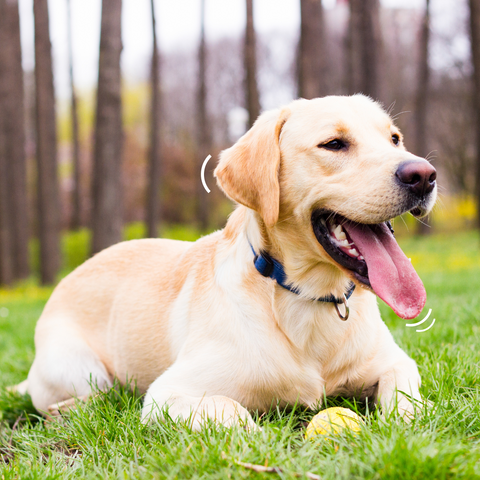
Beagles are renowned for being an amazing family dog. They’re small to medium sized, active, sturdy and a very friendly dog breed!
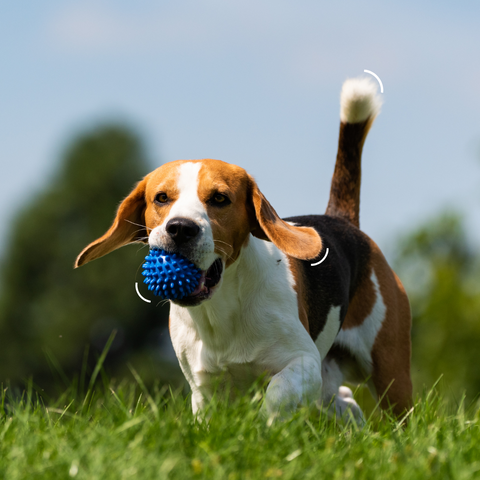
These breeds are an all-round fun-loving, active and family orientated breed. They love to play and socialise, are great with kids and love to cuddle.
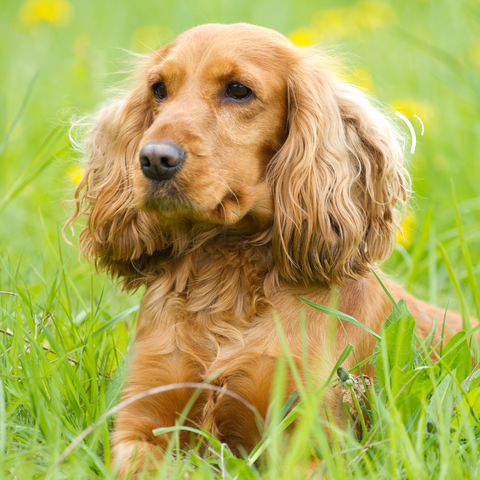
A very gentle, intelligent and affectionate breed that wants nothing more than a loving family home. They’re a small breed with wonderful character and a beautiful fluffy, white coat, but bear in mind this requires grooming and regular upkeep!
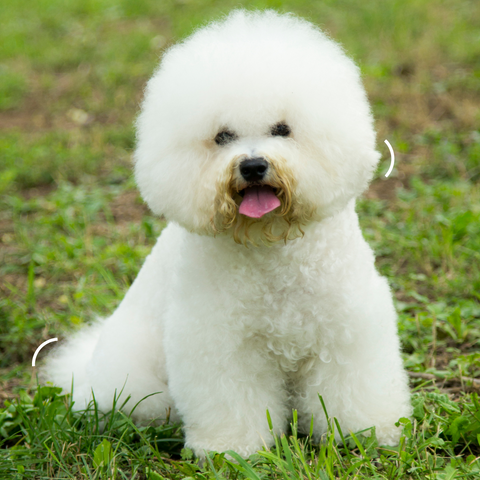
A sweet, even-tempered and affectionate breed that wants nothing more than a loving, family home with lots of cuddles. Cavaliers are a small to medium breed that love to play and only require adequate exercise with daily walks.

An understated breed with so much character. Boston Terrier’s love kids and make wonderful family dogs. Playful, active and affectionate, along with being a compact size for smaller children.

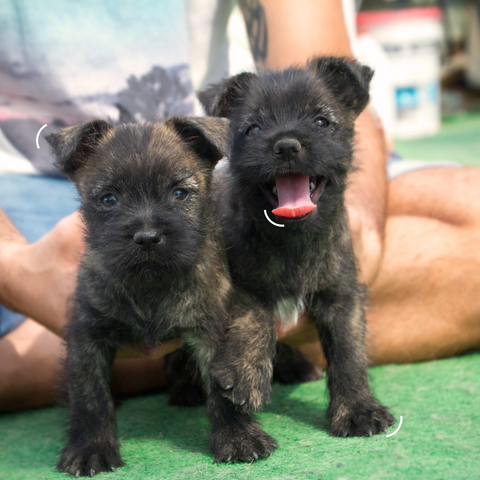
A gentle, kind breed with so much character. Cairn Terrier’s love children and although a small breed, sturdy and active. It’s important to remember this is a terrier breed with a high prey drive therefore may not be suited to a home with cats or other small furries!
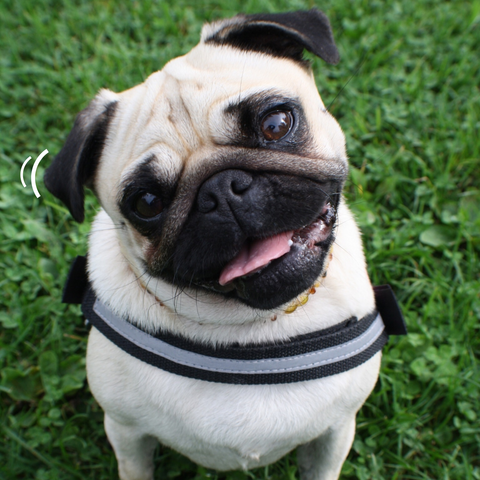
Playful, adaptable, with lots of energy and character. A wonderful small breed that loves children and only requires short, daily walks. It’s important to bear in mind their short muzzle can be a risk in hotter temperatures, therefore when looking to adopt or purchase from a breeder, assess their muzzle to ensure a lower risk of health implications later in life.
Remember, just because a breed isn’t on this list doesn’t mean there aren’t other breeds that would be a great family pet with smaller children. We recommend doing your research and making a decision based on what suits your lifestyle!
To ensure a lifetime of happiness and love, take your time to choose the right dog and teach your children how to respectfully behave around your new dog.
Veterinary Nurse, Sharna Beveridge & Barking Heads
Read our blog on Puppy Tips from Vet, Dr Scott Miller and Barking Heads!
In this report, we’re looking at what dog food waste really looks like, why it happens, and, most importantly, how you can tackle it at home. To give you the best advice, we’ve teamed up with our two top pet pros, Adem Fehmi and Dr Scott.
Discover expert advice on what to feed your dog from puppyhood to old age. Learn about the best dog food for each life stage, senior diets, and how to meet your dog’s changing nutritional needs.
Why meditate with your dog? Let’s face it - modern life can be ruff sometimes. We know our dogs bring us endless joy, but taking just a few minutes each day to be still with your dog can also do wonders for your mental wellbeing. Studies show that meditating with your dog can lower stress levels, improve focus, and deepen your bond with your pet - all contributing to better mental health. And it's not just the humans who benefit - dogs can pick up on our energy, so a calmer you means a calmer pooch. It’s a great way to bring a little balance to both your lives, and take a little time for yourself. From lowering heart rates to creating stronger connections, shared mindfulness can help both species feel more grounded. Getting started with dog meditation Ready to try it out? Here’s how to get started: 1. Pick a quiet space - a cosy corner, a soft rug, or even your garden. Anywhere that feels safe and still for both of you. 2. Choose a comfy position - you can sit cross-legged with your dog lying beside you, or even on your lap if they choose. You could also: Sit with your back against a wall and your legs stretched out, your dog curled up on your legs or chest. Lie down in Savasana (flat on your back) and let your dog snuggle next to you. Cuddle side-by-side on the sofa with your hand resting gently on their chest or belly. Kneel with your dog in front of you, stroking them gently as you breathe. 3. Breathe slowly and deeply - your calm breath will help soothe your pup. Inhale peace, exhale stress. 4. Try a meditation guide – if you’re struggling to quite your mind, why not try a guided meditation? There are many free guides available online. 5. Keep it short and sweet - start with just 5 minutes and build from there. It’s not a race to enlightenment - it’s about shared stillness. 6. Stay present - don’t worry if your dog fidgets, licks your nose or flops dramatically onto their back. That’s part of the fun. Let them be themselves. We asked dog yoga expert and author, Mahny Djahanguiri, to share a visualisation and breathing technique for meditation with your dog. This practice helps you reconnect with your body while also attuning to your dog’s energy. “Find a place to lie on your back in Shavasana. Palms turned up, feet relaxed, and eyes closed. You can use music to come into this space. Your dog doesn’t need to be next to you, even if he paces around in the room or comes to lick your face - ignore! Now imagine you had a piece of chalk, any colour you wish. Slowly, in your mind's eye draw a line around your outer body. Take as much time as you need but try to really focus on the shape of your body, eg draw along the inner arm, fingers, hair …. Try not to miss out any part…. Of course, relax, as you're doing this. Notice your breath slowing down. Breathing in and out, through your nose or open mouth. Notice your face softens, belly relaxes. Now do the same thing gain the other direction. Find out light your body is becoming or how heavy your body is becoming… notice the sensations in your body. Notice how the lines start to illuminate your body like a beautiful crystal frame… When your done try to do the same thing maybe choosing another colour and do the visualisation exercise keeping the shape of your dog's body in mind. This can be challenging at first, don’t worry if you can hold onto the form of your dog, if you draw the mind back without force.” Enhance the experience with relaxation sounds and music Did you know that dogs actually love chill music? Not only can it calm anxious dogs, but it can also help them settle faster and snooze more soundly. Try pairing your session with dog meditation music or dog relaxation sounds. We’re loving this soothing Spotify playlist tailored just for pups. Think gentle tones, steady rhythms, and serious tail-wag potential. How to build a lasting routine for you and your dog Consistency is key. Whether it’s a few mindful moments after your morning walk or a pre-bedtime cuddle and breathe session, weaving meditation into your daily routine can help it stick. Here are some positive reinforcement tips: Pair meditation with an already established habit (like mealtime or walkies). Use a soft voice cue or signal to start the session. Reward calm behaviour with gentle praise or a tasty treat. Let your dog come and go as they please - no pressure, just presence. And most importantly? Enjoy the journey. Every shared breath, every still moment, is a step towards a happier, healthier life together. Want to explore more ways to support your dog’s mental wellbeing? Take a peek at our Dog Mental Health Guide for expert tips, helpful signs to look out for, and everyday ways to help your best mate feel their best.
Follow us @barkingandmeowingheads or tag us in your images #barkingheads